Your address will show here +12 34 56 78
Uncategorized


It is without a doubt that COVID 19 has thrown most of us off track (even those of us who consider ourselves tough!)

Being thrown off track could range from: struggling to get on with the day due to no proper planning, to having to be a good parent and/or a good employee.

The changes in our life are now endless – The only constant being that we are all in it together. This outlook fits perfectly for online learning. Schools across the region have stepped up to the new challenge of online distance learning and from what we hear, they have adapted various ways to make the process as comfortable as possible for both parents and kids.

Some schools may not be doing as well, which in turn causes added frustration for parents, as sometimes, online learning might take some getting used to for both parents and kids.

While many schools have taken measures to ensure the continuity of academics, online learning has some challenges, like maintaining discipline, loss of social interaction between children, active engagement in academics and many more.

This global pandemic has impacted many lives. Parents are having to find ways to keep their children busy, academically responsible and also entertain them. How are you dealing with this?

We will soon be sharing our list of top learning resources, keep an eye out for that! In the meantime:

  1. Try making a schedule for your child so that they can get used to their new remote learning experience.
  2. Set up a space in your home which is just for remote learning, so that children can distinguish between this learning area and the rest of the house. They will slowly learn that in this area they are required to focus as if they were in a classroom.
  3. Remember to take some time out which include some playtime or just a relaxing snack. Incorporate some downtime where kids can have fun and are not constantly under the pressure of getting through assigned tasks.
  4. Follow their lead: If your child shows particular interest in one area of learning or a specific topic, then try and nurture that and go with the flow.
  5. Don’t forget to let the kids know that they are doing a good job! Maybe a small treat to look forward to at the end of each week?


Lastly, try to keep POSITIVE. This too shall pass, and you we will all come out of this period with valuable lessons!


0

Uncategorized

Please attribute to Angelica Robison, Children’s Home-Care Expert and Nanny Trainer, Play:Date



According to a recent survey by rise, 95% of children are under care of a nanny and there are 750,000 nannies living and working in the UAE. With such a huge demand to find and hire a great caregiver, you would think the process would be simple and stress-free. Well, think again…


Hiring your first or next nanny can be a frustrating experience, especially when you don’t know where to start!

With 10 years of UK and UAE experience caring for children and training nannies, here are seven tips to consider when hiring a new nanny:

Define The Role

Sometimes, what we want and what we need in terms of childcare support can be very different, which is why we need to think before we employ. A degree of flexibility is required in any job but if you hire a nanny to look after your kids, then constantly change her hours and responsibilities, your nanny may feel unsettled and uncertain about her role and job. Be clear. Decide before you search and hire what exactly the role entails, how many hours are needed, salary, living arrangement and put together a job description which you can share with your nanny.


Where To Look

The best place to search is within your own community or friendship circle. Ask for recommendations or consider nannies who hail from your native country if you have a trusted source or family member who could help you with the process. Posting ads in community shopping centres or Facebook groups such as Mary Poppins Dubai may also help with your search. If time is not on your side, you can choose a reputable agency like Maidcc to do the hard work for you at a one-off fee of around 5,000AED and a monthly salary of 3,500AED+.


The Interview

Start with a phone call and if you are happy, arrange a second interview in person. You can talk to the candidate about their previous experience, their strengths and why they believe they are the best choice for the role. Arranging the interview alone will give you a clear indication about the reliability and competency of a potential nanny, almost like a mini test. If the nanny is accommodating, keen and punctual, it is a good sign! You could also offer a paid trial for a few days or up to a week depending on the nanny’s visa status. It will give you an insight into their work and both an opportunity to assess whether it’s a suitable fit.


Be Flexible For The Right Person

You will encounter nannies with better experience than others. Some will have worked in the UAE longer, speak good English or Arabic, be able to cook, swim or drive, and even have qualifications. Ideally you will have a salary bracket in mind when hiring, so you have a maximum for the more advanced candidates. The best nannies are in demand, so try to be flexible in term of salary for the person who will care for your baby or children – this is a very important role!


Check References

It is not advisable to hire a nanny that doesn’t have previous experience working with babies or children. Ideally, a minimum of 3 references should be provided to you before you proceed to trial and hire. Should you choose a nanny from an agency, request for contact details of the previous employers. Double check, make phone calls and if possible do not accept written references from the selected nanny herself – make sure all written recommendations come directly from the source.


Put It In Writing

To avoid any potential conflicts or uncertainties down the line, a written contract or agreement will ensure you are both on the same page and is highly recommended. An agency should be able to provide one but if you hire independently, you can provide your own.

There are templates available online, but if the specifics of the role are written down, signed by both parties and dated, it should suffice. Read the updated federal laws (http://dubaiofw.com/domestic-workers-ph-uae/) first and make sure to include: working hours, day/s off, job responsibilities, living arrangement, salary, extras provided e.g. food, toiletries, mobile phone, 30 days annual leave, medical insurance, return flight every year, notice period and anything else you feel is important to mention given your requirements.

Train Your Nanny

“Christina came back and showed me all of the material and told me all of the new things she had learnt. Many things we will put into practice at home. She got so much out of the course and really enjoyed her morning” – Francesca, nanny employer and mother to a 19-month old little girl.

Once you’ve found and hired your new nanny, you need to evaluate her pre-existing skills and determine whether she needs a ‘top-up’ or training on specific areas of childcare and safety. For example, CloudNine Kids (www.cloudninekids.ae) are qualified trainers who run home-care courses for nannies including Pediatric First Aid, Health & Hygiene, Behaviour Management, Home Safety and Interaction & Development for caregivers of newborn – 6 years. Courses like these will not only help your nanny but help develop the relationship they have with you and most importantly, your children.


0

Uncategorized


Please attribute to Dr Sarah Rasmi, Family Psychologist and Parenting Expert at Play:Date


Many expatriate families do not have access to the same level of social support that they would have in their home countries. As a result, many new parents begin to feel socially isolated and withdrawn when they have children. This loneliness is particularly pronounced if they do not have friends with children of the same ages or interests.ss


Dr. Sarah Rasmi, Family Psychologist and Parenting Expert at social application Play:Date, recommends organizing children’s playdates to overcome these issues.


  • Children get the opportunity to meet and connect, which can facilitate their cognitive and social development
  • Parents can connect with other parents, giving them the opportunity to swap stories and share concerns, which can be very comforting and beneficial
  • Over time, play dates can turn into social support networks. Establishing a community has a number of personal and professional benefits.

It is important to remember that social relationships are a necessity, not a luxury. Building long lasting friendships are good for both our physical and psychological health. For example, people with strong social
0

Uncategorized

Please attribute to Carla Buck – Play:Date Expert on Child Behavior and Founder at Warrior Brain


Your child has come home from school again in tears. All she can say is that she has “no friends.” You desperately want your child to feel like she belongs. But she has real trouble making and keeping friendships at school. As a parent, you know how hard this can be. It’s incredibly difficult and takes a lot of courage to pick up the phone and call or message someone to arrange a play date for your child.


One of childhood’s most challenging lessons is to learn how to be a good friend. Some anxious and shy children find it really hard to face their fears. Especially when it comes to making new friends. Your child desperately wants to be accepted. To fit in. To truly belong. But their “what if” thoughts, like “what if she doesn’t like me” stops them from being brave. Some help and encouragement from you as the parent can make the world of difference to your worries and fears for your child, and also to theirs.


Understanding why Friendships are Important


Friendships add to your child’s social skill learning is a HUGE way. Such as learning to be aware of someone else’s view point or standing in their shoes so to speak. Learning the rules of how to have a conversation like how to begin one and when to know a conversation is coming to an end. And also learning age appropriate behaviors. It is often the case that children that need help with emotional behavioral problems have no friends or find it very difficult to play with other children.


“Friends also have a powerful influence on a child’s positive and negative school performance and may also help to encourage or discourage deviant behaviors,” Dr. Paul Schwartz says, a professor of Psychology and Child Behavior Expert. “Compared to children who lack friends, children with ‘good’ friends have higher self-esteem, act more socially, can cope with life stresses and transitions, and are also less victimized by peers.”


Before you get your knickers is a twist mama, there is good news! It’s important to understand that these social skills can be learned in a number of ways and at a number of ages. There is no one size fits all magic wand swoosh for figuring out friendships. Children thrive socially over Minecraft as much as they do when pretending to be their favorite animals. There are ways to help children develop these relationship skills that will help them have valuable and meaningful connections with others.


Here are some things you can do to help your child:


Modeling What It Means To Be A Good Friend:

Help figure out where your child struggles the most when making friends. Think to yourself, “what is one skill she doesn’t have and how can I help her learn it?” If it’s learning how to say what she feels, model it for her by teaching her the “I feel (feeling) because (reason)” technique. E.g. “I feel sad when you don’t tell me about your day. How do you feel when I don’t tell you about my day?” The more you model this, and feed into your own friendships and talk openly about why you choose to do what you do, the more this will help model what it means to have a meaningful friendship to your child.


Creating Friendship Goals:

Being intentional about which friendships you really want will help you know where your energy is best invested. If you took a step back, and decided which friendships were truly valuable to you, you will know exactly which people to invest your time in and why. Ask your child which friend they want to have a really good friendship with. Set a goal such as “ask friend to sleep over twice this month” or “say hi every morning”. If this friend is at a different school, plan to meet up over the weekends this month. This can be a very scary step for some children. Praise their efforts and remember your ultimate goal when you just want to sleep in on a Friday morning, but you CHOOSE to drive across town for a play date instead!


Setting Up Play Dates:

Play dates often mean a massive grass stain on your child’s new shirt or mud dragged into your villa just after it got cleaned. And your lounge suddenly looks like Christmas morning with toys EVERYWHERE. It’s important to remember this is all a part of your child’s social development. A simple tea party with each other and all those teddy bears can teach affection, empathy, negotiation and appreciating someone else’s perspective. “By interacting with their peers, children begin to learn about perspective taking, where they can realize how others may have different thoughts and feelings,” says Dr Theodote Pontikes from Loyola University in Chicago.


Where to Start:

Start by inviting only 1 child. This helps your child feel more confident as they try out what it means to be a good friend. Remember, just like they test the boundaries at home with you, they will test the boundaries of a friendship too. It’s totally normal for tears and frustrations and “Deanna said she doesn’t want to be my friend anymore.” This is how your child learns what friendship means. A simple sorry can be all that’s needed for the two of them to be best friends again.


Be accessible. And get involved only when asked. Remember, it’s your child that is socializing and learning about empathy and how to get along in society. Not you! Be in the background. Prepare some fun snacks and be ready to listen when they ask you to. May the odds be ever in your favor Mama!

0

Uncategorized
Shamim Kassibawi, Founder of the Play:Date app


Mobile applications are increasingly playing a vital role in everyday life as more and more consumers continue to rely on their features and functions that include, but are not limited to, providing general information, prices, booking forms, search engines, etc., as well as connecting people all over the world through messenger, news feeds, and much more. This has directly led to the rise in app entrepreneurs or aptly titled ‘appreneurs’, who look for ways to turn mundane into easy and convenient.


Vital to the significantly large expat community in the region, the instant availability of newsfeeds, free instant messaging and photo-sharing features help expatriates recently moved to the UAE to cope with change and keep homesickness at bay.


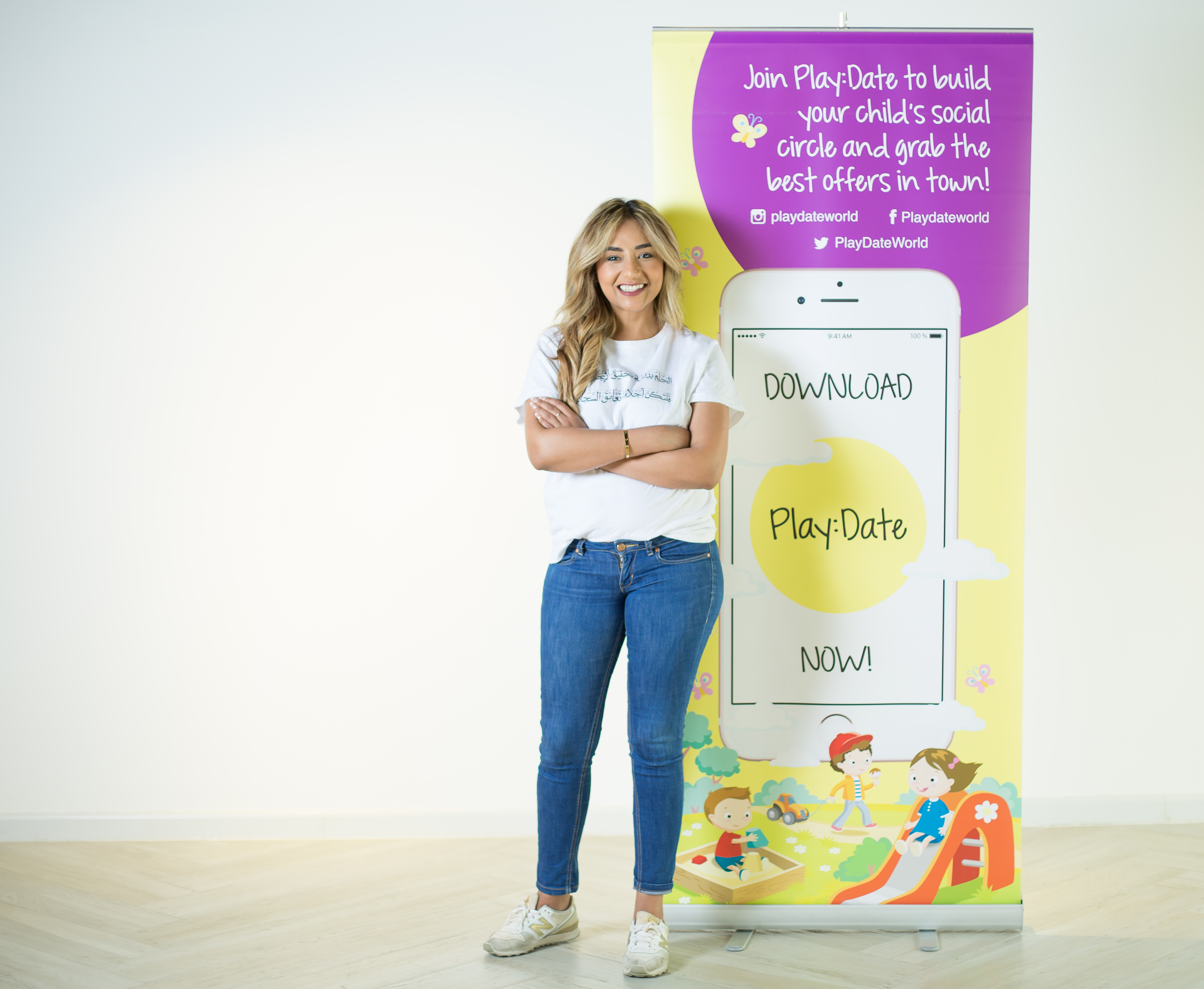
Keeping in mind expat mothers who are new to the region, Shamim Kassibawi created Play:Date – an interactive app that helps to build a child’s social circle through similar interests and likes. Parents can swipe on profiles that match their little ones’, swap tips and tricks, and can schedule playdates with other parents through the app.


“The aim of the app is to promote friendship and relationship-building, something that is necessary during the early stages of a child’s life,” says Kassibawi, who was driven to co-create the app upon realizing the drawbacks her sister faced being an expat mom to a 1-year old. “My sister struggled to find opportunities for my nephew to participate in healthy, fun-filled, quality playtime with children of his age. Given the cultural Arab background we come from, playdates are a foreign concept. I wanted to offer a new opportunity to Arab and Western expats in the region and initiate a conversation on the importance of children socializing in the Arab community.”


However, it is not all easy, breezy, in the world of app development. Many factors need to be considered prior to developing an app. Kassibawi shares her top three tips for new appreneurs venturing into the digital world.

Do your research
Developing an idea is easy and quick, but researching the idea to see whether it is feasible and to avoid problems such as plagiarism, research is vital. Security in all aspects must be researched well too. “We needed to ensure the safety of the app as it encourages parents to upload profile images of their children as part of the user-experience,” says Kassibawi

Understand your audience
It is important to identify and understand the user-audience of the app. With parents overlooking their children’s profiles, Kassibawi and her team had to understand what expat parents were looking for. “We spoke to a number of mothers and fathers before we launched. We wanted to know the pros and cons of having an app like this out in the market,” says Kassibawi. Knowing parents’ lives can get busy, her aim was to ensure user-friendliness and simplicity when it came to using the app. “We wanted to keep it ABC.”

Patience is a virtue
Just like Rome wasn’t built in a day, apps follow the same rule. “Creating an app takes time, dedication, understanding, and most importantly, patience. We went through several stages of trial and error before we decided to go live. Technical issues must be anticipated and appreneurs mustn’t be discouraged if they face failures in the development stages of the app,” assures Kassibawi. “All of these factors contributed towards creating an app that my team and I were happy to launch and are now proud to see growing with new members every day.”


Sudanese-Kiwi Shamim Kassibawi is a PR queen, creative instigator and gives the Energizer Bunny a run for his money.
0

Uncategorized
Dr. Sarah Rasmi, Family Psychologist and Parenting Expert at Play:Date


The alarming rise in ‘digiculture’ has taken over the lives of little ones, some as young as two years old. Easily accessible games, videos and online content are now available at the touch of little fingertips, and this has produced a significant decline in real-time interaction and play between children.

Nevertheless, technological and social applications can still help young children bridge the gap between online and real-time play by introducing them to the world around them and helping them form lasting friendships.

Leading psychologists, including Dr. Sarah Rasmi who is the Family Psychologist and Parenting Expert at social application Play:Date, strongly recommend playdates for children and their parents. Dr. Sarah highlights five key benefits of this kind of social interaction.

Psychological Well-being

Playdates can lead to friendships, which are good for our psychological health. Research shows that people with extensive social networks tend to be happier.

Physical Health

Playdates can solidify our interpersonal connections. People with strong social bonds tend to have better immune systems and live longer too. Playdates also encourage us to be physically active which is good for our physical and psychological health.

Education and Work

Playdates give us an opportunity to bond with others, which fosters social connections. People with strong social networks are happier, and happier people are more successful at school and work.

Social Skills
Playdates facilitate social development by teaching children how to share, cooperate with others, and problem-solve.

Creating Parent Connections

Playdates are an opportunity for parents to connect with other parents. This has a number of benefits, including a sense of community and social support. Both of these factors can make it easier for parents to adjust to life changes, including having children and moving to the UAE.

0